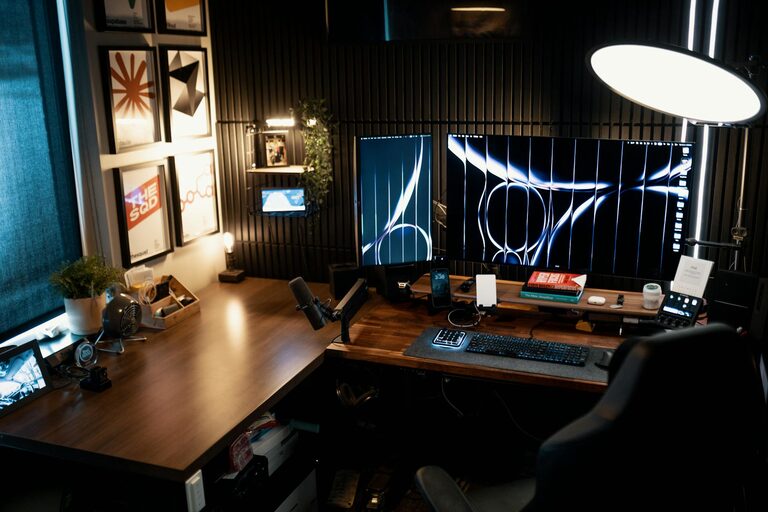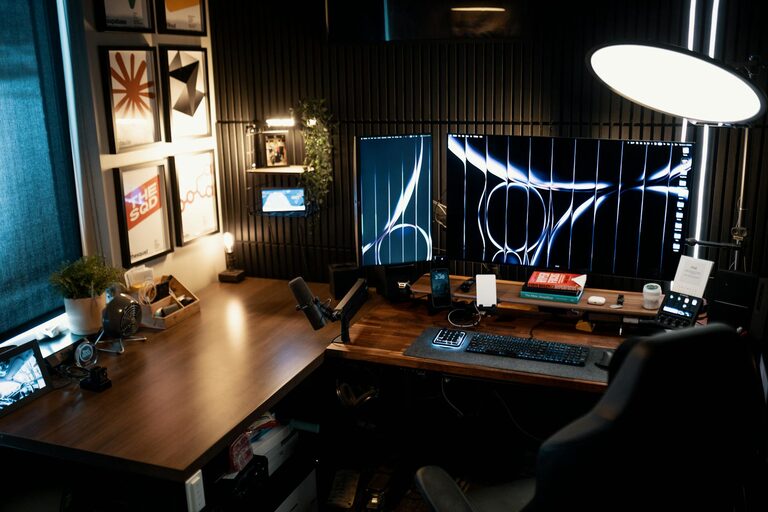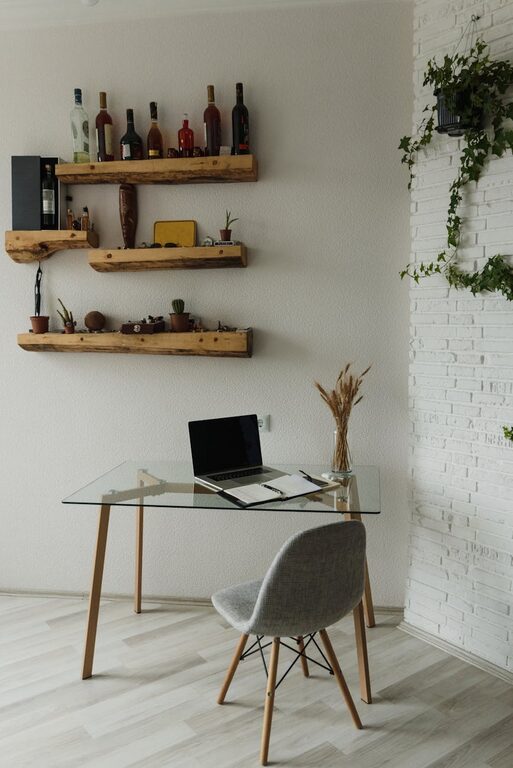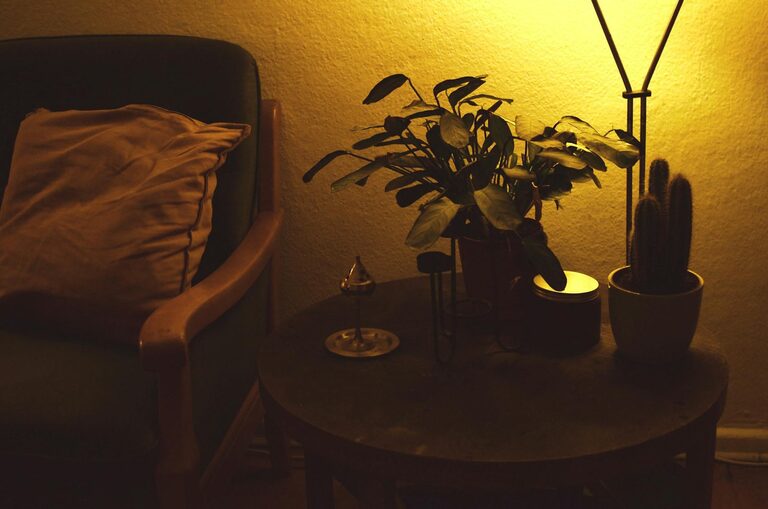

Creating a cozy and inviting home workspace can greatly enhance your comfort and productivity, especially in today’s world where many spend significant time working from home. Your workspace should feel welcoming and motivating, making it easier to focus and feel good while working. Here are some practical tips to help you design a cozy and inviting home office that suits your needs.
Choose the Right Location
Find Natural Light
Natural light is one of the best elements you can add to your workspace. Position your desk near a window if possible. Sunlight boosts mood and reduces eye strain, making your work hours more pleasant.
Consider Quietness and Privacy
Choose a spot that limits distractions and noise. A quiet corner or a separate room can help you maintain focus and maintain a work-life balance.
Invest in Comfortable Furniture
Ergonomic Chair and Desk
A good chair with proper lumbar support can prevent back pain and improve posture. Pair it with a desk at the right height for your body to work comfortably.
Flexible Furniture Options
If space allows, consider a standing desk or a convertible desk. Changing positions during the day promotes better circulation and reduces fatigue.
Personalize Your Workspace
Add Personal Touches
Include items that inspire or relax you, such as favorite photos, artwork, or meaningful objects. These touches make your workspace feel welcoming and uniquely yours.
Choose Soothing Colors
Soft, neutral colors or gentle pastels create a calm environment. You can also add a splash of a favorite color through accessories like cushions or desk organizers to brighten the space.
Organize for Efficiency and Clarity
Declutter Regularly
Keep your desk clear by regularly removing unnecessary items. A clean surface can help reduce stress and keep your mind focused.
Use Storage Solutions
Drawer organizers, shelves, and bins help keep supplies in order. Labeling storage can save time when searching for items and help maintain tidiness.
Improve Lighting Beyond Natural Light
Task Lighting
Desk lamps with adjustable brightness can provide focused light for reading or writing. Choose bulbs that mimic daylight to reduce eye strain.
Ambient Lighting
Use floor or table lamps to create warm, cozy lighting throughout the room. Avoid harsh overhead lights that can cause discomfort over long periods.
Bring Nature Inside
Houseplants
Adding plants not only improves air quality but also creates a more peaceful and lively atmosphere. Choose low-maintenance plants like succulents, snake plants, or pothos.
Natural Materials
Incorporate wood, stone, or woven textures in furniture or décor items to bring warmth and depth to your workspace.
Control Noise Levels
Use Sound-Absorbing Materials
Rugs, curtains, and upholstered furniture absorb sound and reduce echo. These elements make the room feel softer and more comfortable.
Background Sound
Playing soft instrumental music or using a white noise machine can help mask distracting noises and improve concentration.
Keep Essentials Within Reach
Efficient Desk Setup
Arrange your most-used items like your computer, notebook, pens, and phone within comfortable arm’s reach. This setup reduces unnecessary movement and improves workflow.
Cable Management
Organize cords and chargers with clips or cable boxes to prevent tangling and maintain a tidy surface.
Incorporate Break and Relaxation Spots
Include a Cozy Chair or Cushion
If space permits, have a small nook or cushioned chair for short breaks. Changing your seating area during the day can refresh your mind and body.
Refreshments Area
Keep a water bottle or a small coffee station nearby to stay hydrated and energized without needing to leave your workspace frequently.
Maintain Good Air Quality and Temperature
Ventilation
Open windows regularly to circulate fresh air. A small desk fan or purifier can also improve air quality if needed.
Comfortable Temperature
Adjust heating or cooling so the room stays comfortable throughout the day. Dress in layers if necessary to accommodate changing temperatures.
Final Thoughts
Designing a cozy and inviting home workspace doesn’t require a large budget or remodeling. By focusing on comfort, organization, lighting, and personal touches, you can create a space that supports your work and well-being. Remember, your workspace should feel like a place where you want to spend time—one that fuels productivity while promoting relaxation and balance.
Start with small changes and customize as you go. Your ideal home office is waiting to be created!