Creating a relaxing home workspace is essential for maintaining focus and boosting productivity, especially when your living space also serves as your work environment. A well-designed workspace can help you feel calm, reduce distractions, and stay motivated throughout the day. Whether you work remotely full-time or occasionally need a productive corner at home, these tips will guide you in setting up a peaceful and effective area to get things done.
Choose the Right Location
Selecting the best spot in your home for work is crucial. Ideally, choose a quiet area with minimal foot traffic and distractions. If possible, pick a room with a door to separate your work life from your personal life. A corner in your bedroom or living room can work too, but ensure it’s a space you can associate with productivity rather than relaxation.
Consider Natural Light
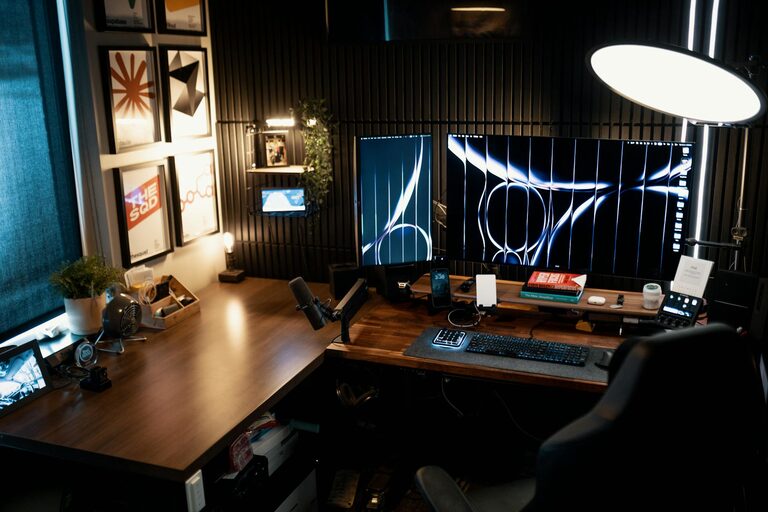
Natural light has a positive effect on your mood and alertness. Position your desk near a window whenever possible. Exposure to daylight can reduce eye strain and increase energy, which helps maintain focus during long work sessions. If natural light is limited, invest in a good quality desk lamp that mimics daylight to brighten your workspace.
Invest in Comfortable Furniture
Spending hours at a desk means comfort is key to avoid fatigue and discomfort.
– Ergonomic Chair: Choose a chair that supports your lower back and encourages good posture. Adjustable features like seat height and armrests help customize your comfort.
– Desk Setup: Your desk should allow your computer screen to be at eye level and your arms to rest comfortably while typing.
– Foot Rest: Consider adding a footrest if your feet don’t touch the floor comfortably.
Comfortable furniture helps you stay focused without physical distractions.
Keep It Organized and Clutter-Free
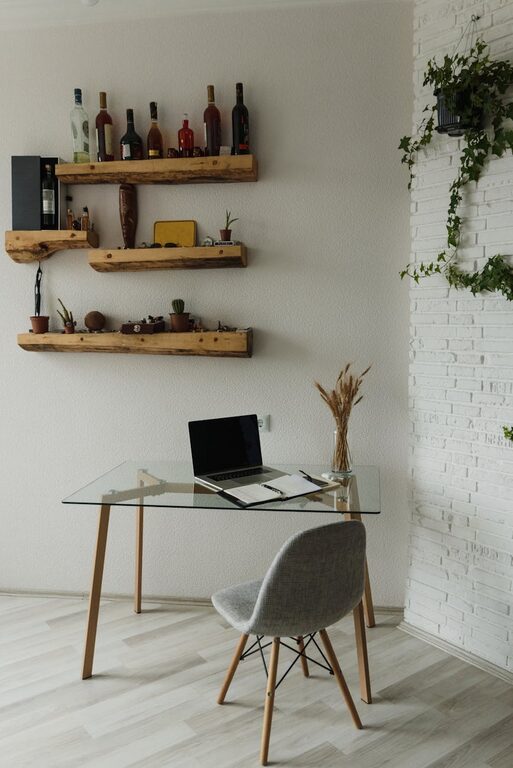
A cluttered workspace can increase stress and lower productivity. Use organizers like trays, shelves, or storage boxes to keep papers, stationery, and devices neatly arranged.
Tips for Organization:
– Declutter daily to maintain a clear surface.
– Use cable organizers to manage cords and prevent tangling.
– Store items you don’t use often out of sight.
A clean workspace can create a sense of calm and help you concentrate better on your tasks.
Add Calming Elements
Incorporate items that promote relaxation and improve your mood.
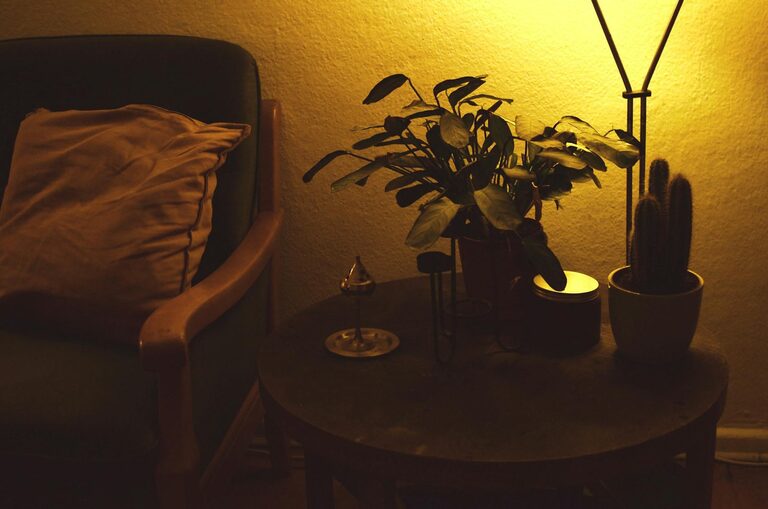
– Plants: Adding greenery can increase feelings of well-being and improve air quality.
– Personal Touches: Photos, artwork, or meaningful objects can make your space inviting without overwhelming it.
– Scent: Using mild essential oils or candles, such as lavender or eucalyptus, can create a soothing atmosphere.
Remember, simplicity is best so that these elements enhance focus rather than distract.
Minimize Noise and Distractions
If background noise bothers you, find solutions to minimize it.
– Use noise-canceling headphones if you can’t control the noise levels.
– Play soft instrumental music or white noise to improve concentration.
– Consider acoustic panels or rugs to absorb sound if your space tends to echo.
Limiting noise will help your mind stay calm and focused.
Maintain a Regular Routine
Creating rituals around your workspace helps train your brain to distinguish work time from relaxation time.
– Start your day with a set routine, like making a cup of tea or organizing your desk.
– Take scheduled breaks to stretch and refresh.
– End your day by tidying up, signaling that work time is over.
A consistent routine supports mental clarity and prevents burnout.
Use Technology Wisely
Technology can either support or hinder productivity.
– Ensure your internet connection and tools are reliable.
– Utilize apps or tools for task management and reminders.
– Avoid unnecessary notifications that interrupt your flow.
Being intentional with technology keeps distractions at bay.
Keep Your Workspace Well-Ventilated
Fresh air and good ventilation improve concentration and reduce fatigue. Open windows when possible or use an air purifier to maintain air quality.
—
By putting thought into your home workspace setup, you create an environment that naturally encourages relaxation and productivity. Remember to tailor these tips to your personal needs and style. A peaceful, comfortable workspace isn’t just about looks—it’s about creating a space that supports your best work every day.