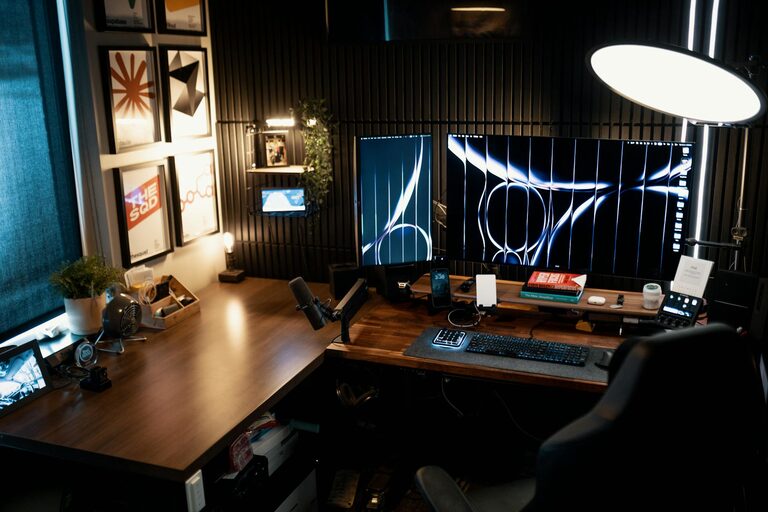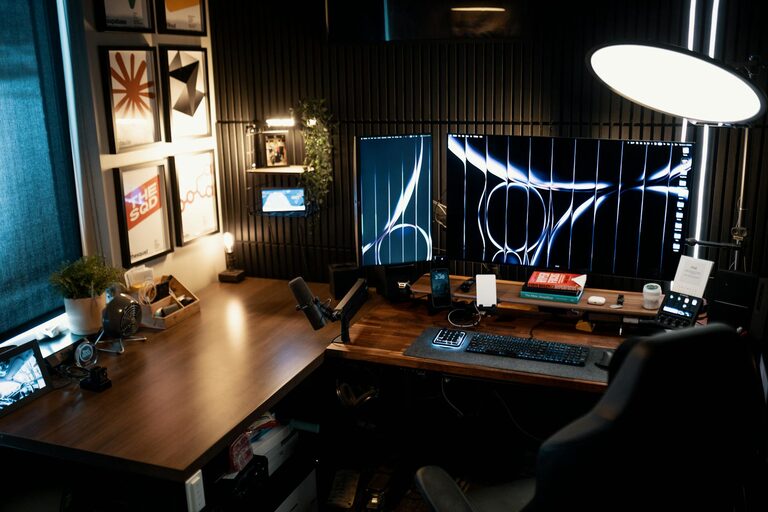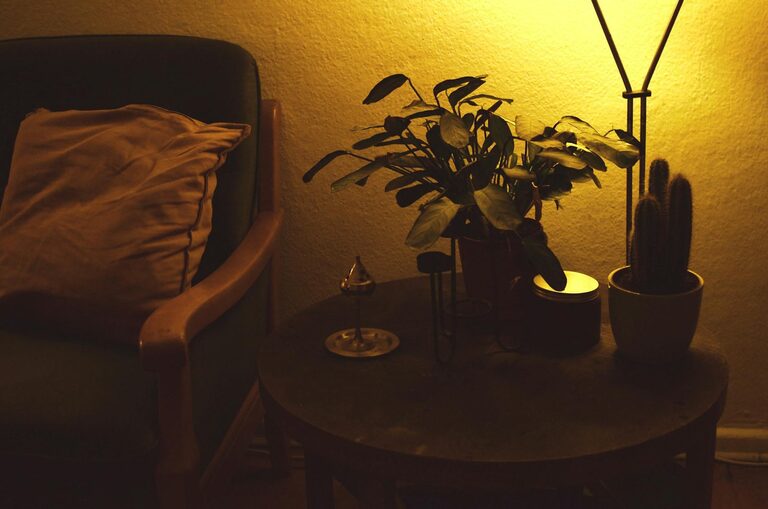
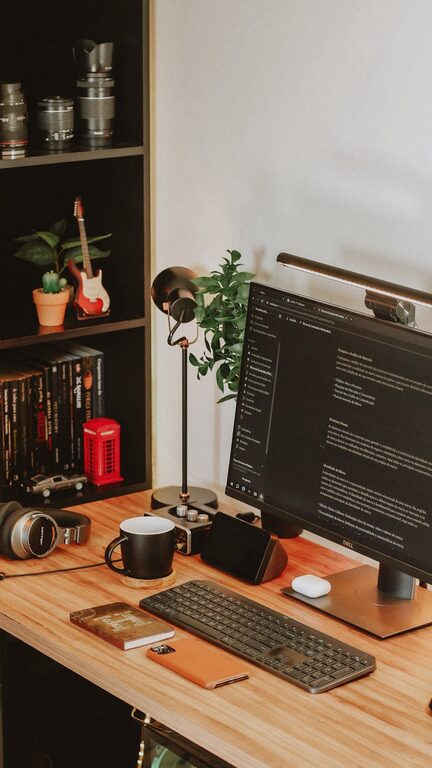
Creating a productive home office space is essential for anyone working remotely or looking to establish a dedicated area for personal projects. A well-designed workspace can improve focus, boost creativity, and help maintain a healthy work-life balance. In this post, we’ll explore actionable tips to help you create a home office that supports your productivity and makes working from home more enjoyable.
Choose the Right Location
Selecting the best spot in your home for your office is the first step toward productivity.
– Quiet and Private: Pick a location away from high traffic areas to reduce distractions.
– Natural Light: A space with ample natural light can improve mood and energy levels.
– Comfortable Temperature: A room that stays comfortably warm or cool helps keep your focus.
– Space Considerations: Ensure you have enough room for your desk, chair, and equipment, with extra space for storage or stretching.
Invest in Ergonomic Furniture
Comfort is key when you spend long hours working.
– Ergonomic Chair: Look for adjustable chairs that support proper posture and reduce back strain.
– Desk Height: Your desk should allow your arms to rest comfortably at a 90-degree angle.
– Monitor Position: Position your computer monitor at eye level to avoid neck strain.
– Keyboard and Mouse: Choose accessories that promote natural hand posture to prevent repetitive strain injuries.
Organize and Declutter
A tidy workspace can help you focus better and reduce stress.
– Storage Solutions: Use shelves, drawers, and organizers to keep supplies in order.
– Cable Management: Use clips or ties to organize cables and prevent clutter.
– Minimal Decor: Keep your desk clear with only essential items and a few personal touches.
– Daily Clean-Up: Spend a few minutes at the end of each day to tidy your space.
Optimize Lighting
Lighting greatly affects your ability to work efficiently.
– Natural Light: Make the most of windows and avoid harsh glare by positioning your desk properly.
– Task Lighting: Use adjustable desk lamps to focus light where you need it most.
– Ambient Lighting: Soft overhead lighting can reduce eye strain and create a comfortable atmosphere.
Create a Work-Friendly Environment
Your environment can influence your focus and motivation.
– Limit Distractions: Use noise-canceling headphones or white noise machines if needed.
– Personalize Thoughtfully: Add plants, artwork, or motivational quotes that inspire without distracting.
– Temperature and Ventilation: Fresh air and a comfortable temperature help you stay alert.
– Separate Work and Relaxation: Avoid mixing your office with areas meant for relaxation to create a psychological boundary.
Establish a Routine
Consistency encourages productivity.
– Set Work Hours: Define clear start and end times to maintain balance.
– Breaks: Schedule regular breaks to rest your eyes and stretch your body.
– Daily Goals: Write a to-do list each morning to stay organized and motivated.
– Limit Multitasking: Focus on one task at a time for better efficiency.
Use Technology Wisely
Leverage tools and apps that enhance your productivity.
– Reliable Internet: Ensure your connection is fast and stable.
– Productivity Apps: Use calendars, task managers, or note-taking apps to stay organized.
– Communication Tools: Keep in touch with colleagues using video calls or messaging platforms.
– Backup and Security: Regularly save your work and use strong passwords to protect your data.
Maintain Work-Life Balance
Working from home can blur boundaries. Here’s how to manage it:
– Dedicated Workspace: Stick to your workspace during work hours.
– Set Boundaries: Inform family or roommates about your schedule.
– Change Clothes: Dressing for work can mentally prepare you for the day.
– End-of-Day Ritual: Create a relaxing routine to signal the end of work.
—
Designing a productive home office takes a little planning and some thoughtful adjustments, but the benefits are well worth the effort. By focusing on comfort, organization, lighting, and boundaries, you can create an environment that supports your best work every day. Remember, your workspace should reflect your needs and preferences — making it a place where you feel motivated and at ease.