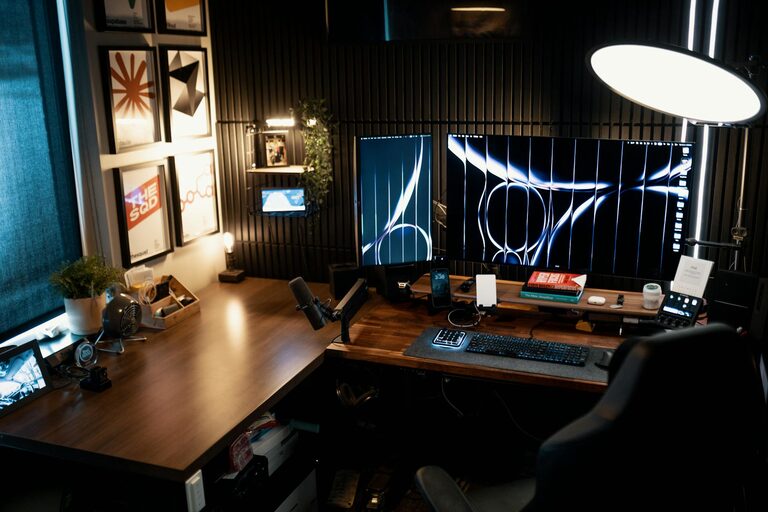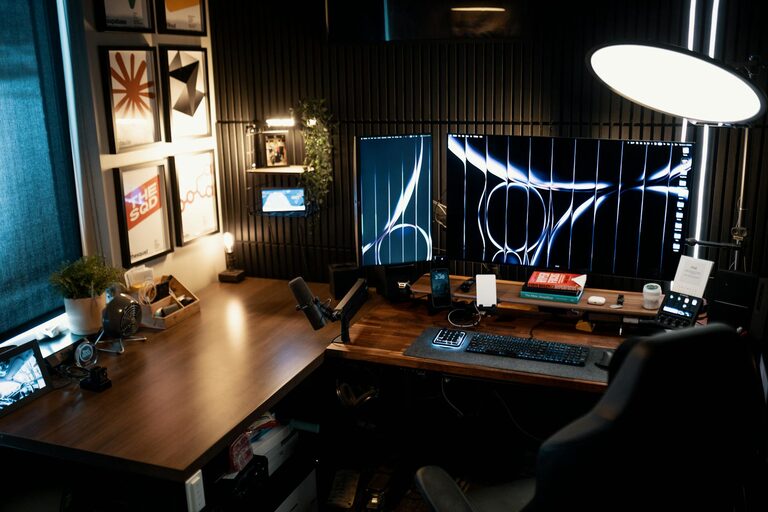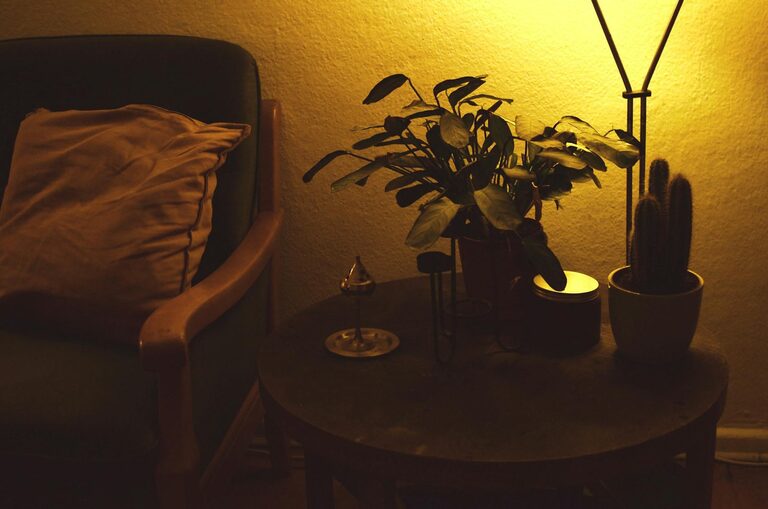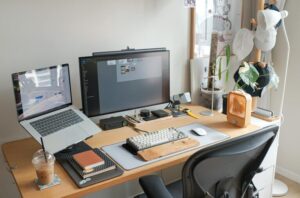
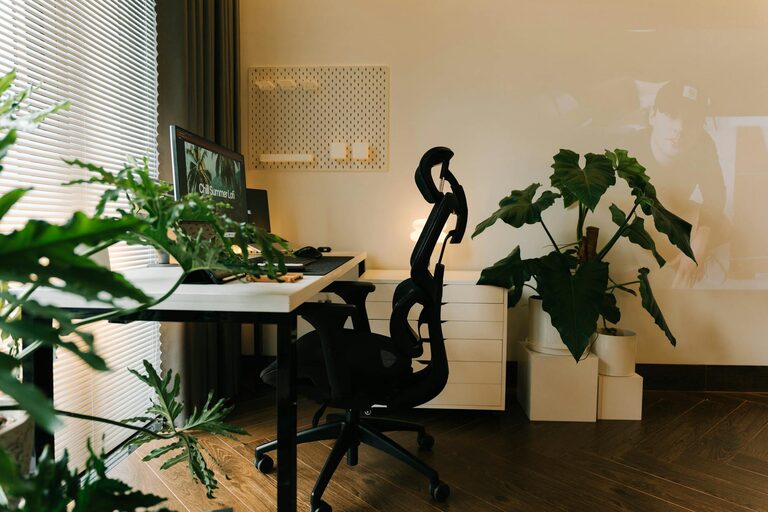
Creating a home office that is both comfortable and productive can significantly improve your work-from-home experience. Whether you’re working full-time from home or just need a dedicated space to focus, the right environment can help you stay organized, motivated, and healthy. Here are some practical tips to design a home office that meets your needs.
Choose the Right Location
When setting up a home office, location matters. Look for a quiet space away from high-traffic areas of your home. A spare bedroom, a small nook, or even a partitioned section in your living room can work as long as it minimizes distractions.
Consider natural light when choosing your spot. Working near a window provides not only visual comfort but also mood-boosting benefits. If natural light is limited, ensure you have sufficient artificial lighting to avoid eye strain.
Invest in Ergonomic Furniture
Comfort is crucial for long hours of work. Invest in an ergonomic chair that offers good lumbar support and adjustability to fit your body. Pair it with a desk at the right height to keep your wrists straight and shoulders relaxed.
If space allows, consider adding a sit-stand desk. Alternating between sitting and standing can reduce fatigue and improve circulation throughout the day. Also, use a keyboard and mouse that promote a neutral hand position to prevent repetitive strain injuries.
Organize Your Workspace Efficiently
A clutter-free environment can help your mind stay focused. Use shelves, drawers, or filing cabinets to keep office supplies and documents organized. Label storage bins or folders for quick access.
Keep your desk surface clear except for essentials like your computer, notepad, and a few personal items. Cable organizers can manage cords and prevent tangling. Regularly tidy your space at the end of each workday to maintain order.
Set Up Technology Thoughtfully
Reliable technology is a cornerstone of a productive home office. Ensure you have a fast internet connection and backup options if possible. Position your computer monitor at eye level, about an arm’s length away, to reduce neck strain.
Use a good quality headset or speakers for online meetings. Invest in a webcam with clear video and a microphone with noise cancellation features. Keep chargers and power outlets conveniently placed but safely tucked away to avoid trip hazards.
Enhance Comfort and Ambience
Small details can greatly enhance your comfort. Maintain a comfortable room temperature; if your space gets too warm or cold, consider a portable heater or fan. Add soft lighting options like desk lamps or floor lamps with adjustable brightness to reduce glare.
Incorporate plants into your office space. They purify the air and add a touch of nature, which can reduce stress. Personalize your space with art, inspiring quotes, or photos to make it inviting without overwhelming the work environment.
Create Boundaries and Set a Routine
Working from home can blur the lines between personal and professional time. Define clear boundaries by setting specific working hours and communicating them with family members or housemates.
Have a dedicated place for work only, if possible, so you can mentally separate it from leisure areas. When the workday ends, shut down your computer and tidy your desk. This routine signals your brain to transition into relaxation mode.
Prioritize Ergonomics and Health
Taking care of your physical well-being is essential for sustained productivity. Take regular breaks to stretch and move around every hour. Use apps or timers to remind you to rest your eyes, especially if you spend a lot of time staring at a screen.
Stay hydrated and keep a water bottle at your desk. If you eat at your desk, try to keep snacks healthy and mess-free to avoid distractions.
Maximize Productivity with Good Habits
Your surroundings can support good working habits. Use planners or digital calendars to map out your tasks. Minimize distractions by turning off non-work notifications or using focus modes on your devices.
If you find music helpful, choose instrumental or ambient sounds to aid concentration. Experiment with different background noises to discover what works best for you.
—
A thoughtfully designed home office is more than just a workspace; it’s a place where comfort and productivity coexist. By choosing the right location, investing in ergonomic furniture, organizing efficiently, and creating a pleasant atmosphere, you can build a home office that supports your best work every day.