Creating a productive home office environment is essential for anyone working remotely or managing tasks from home. A well-designed workspace can help improve focus, reduce distractions, and enhance overall work satisfaction. Whether you have a dedicated room or a small corner, there are practical steps you can take to make your home office both functional and inspiring. This guide offers tips to help you build a workspace that supports your best work.
Choose the Right Location
Finding the best spot for your home office is the foundation of a productive workspace. Aim for a quiet area with minimal foot traffic, where you can focus without frequent interruptions. If possible, select a spot near a window for natural light, as it can improve mood and reduce eye strain.
Consider these when selecting your location:
– Away from noise sources such as TV or household activities
– Sufficient space to fit your desk, chair, and supplies comfortably
– Proper ventilation to keep the air fresh and comfortable
Invest in Comfortable and Ergonomic Furniture
Comfort plays a big role in productivity. An ergonomic chair and desk setup not only helps prevent discomfort and health issues but also keeps you attentive to your tasks.
Key furniture tips:
– Use an adjustable chair that supports your lower back
– Choose a desk at an appropriate height to avoid strain on wrists and shoulders
– Consider a standing desk or desk converter to alternate between sitting and standing
Optimize Lighting
Proper lighting reduces eye fatigue and can energize your workspace. Natural light is the best, but if that’s limited, you can supplement with artificial lighting.
Lighting recommendations:
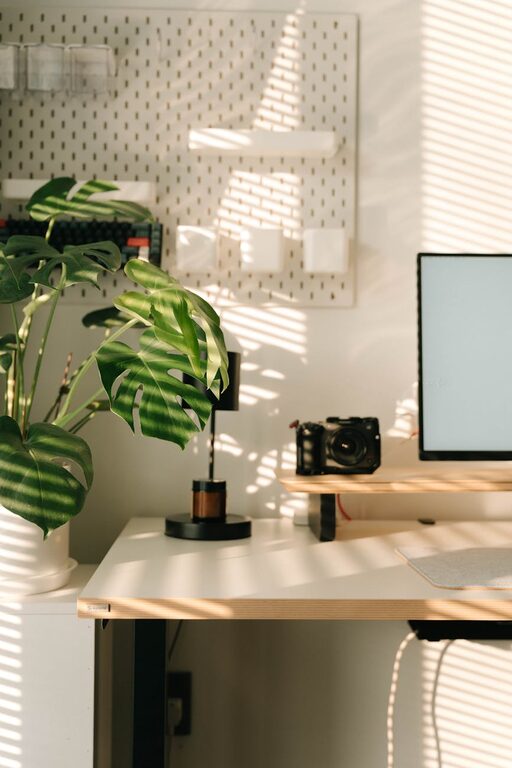
– Position your desk near a window for daylight
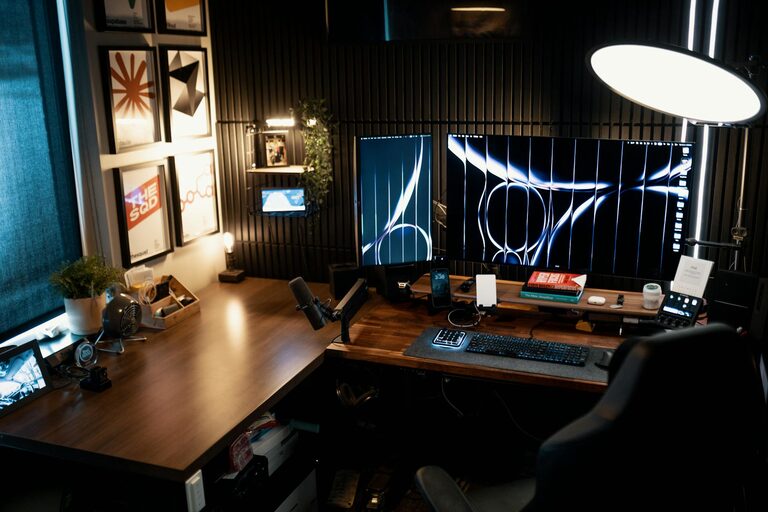
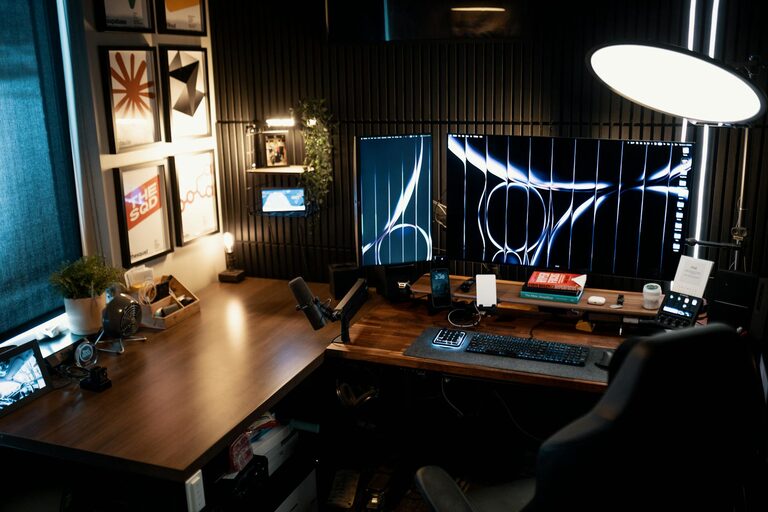
– Use a quality desk lamp with adjustable brightness
– Avoid harsh overhead lights or glare on your screen
– Consider warm LED bulbs for a cozy yet bright atmosphere
Organize and Declutter
A tidy workspace helps maintain focus and reduces stress. Start by clearing out unnecessary items, then create systems to keep your office organized.
Organization ideas:
– Use shelves, drawers, or filing cabinets to store documents and supplies
– Label containers for quick access
– Keep everyday essentials within arm’s reach on your desk
– Digitize papers when possible to reduce clutter
Minimize Distractions
Distractions can derail your work flow, so it’s important to create an environment that encourages concentration.
Strategies to reduce distractions:
– Turn off notifications on your phone or use “Do Not Disturb” mode
– Use noise-cancelling headphones or play soft background music
– Set clear boundaries with family or housemates during work hours
Personalize Your Workspace
Adding personal touches can make your workspace feel inviting and motivate you to spend time there. Choose items that inspire you without creating clutter.
Ideas for personalization:
– Display a few photos or artwork that you enjoy
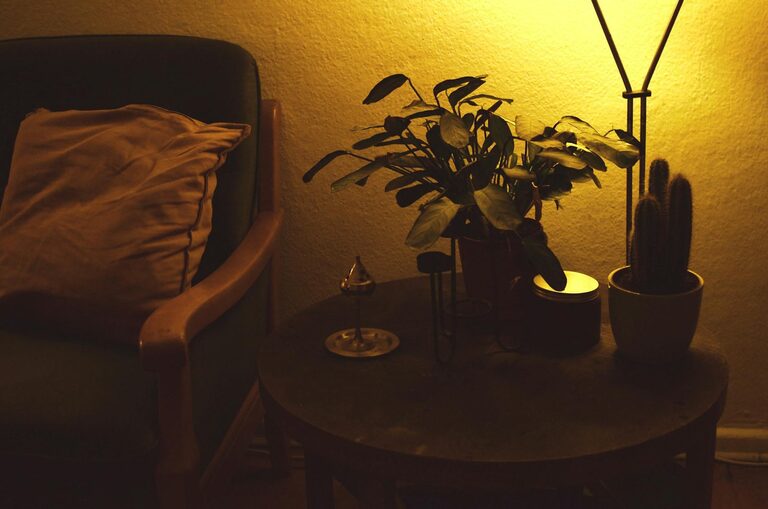
– Add plants to bring life and improve air quality
– Use colorful accessories like mouse pads or stationery to brighten the space
Establish a Routine and Boundaries
A productive home office isn’t just about the physical space—it’s also about habits. Developing a consistent daily routine helps signal to your brain that it’s work time.
Routine tips:
– Set specific work hours and stick to them
– Take regular breaks to stretch and rest your eyes
– Create a ritual to start your day, such as making coffee or reviewing a task list
Technology Setup and Maintenance
Reliable technology is crucial for productivity. Make sure your computer, internet connection, and peripherals are up to the task.
Technology tips:
– Use a high-speed internet connection to avoid delays
– Set up dual monitors if possible for multitasking
– Regularly update software and perform system maintenance to prevent issues
– Keep chargers, cables, and other accessories well organized
Final Thoughts
Designing a productive home office is a mix of thoughtful interior choices, ergonomic comfort, and establishing good habits. By focusing on location, lighting, organization, and technology, you can create a work environment that supports focus and creativity. Experiment with different approaches and adjust your space as needed to find what works best for you.
With the right setup and mindset, your home office can be a place where productivity and well-being thrive side by side.